





• Skip to main content

MENU
  • Kea for business
  • Kea Connect
  • A service facilitating crucial introductions between businesses and industry experts
  • Kea for you
  • Becoming a member
  • Join Kea's global community and stay connected to home wherever you are
  •  
  • Jobs
  • Find and post local and international opportunities
  •  
  • Events
  • Connect with Kiwi through local, international and virtual events

  • Kea and our community
  • About Kea
  • Kea Partners
  • Contact
  • News and resources
  • Latest
  • World Changing Kiwi
  • Kiwi coming home
  •  
  • Kea Connect success stories
  • Businesses growing at home
  • Businesses going global
  •  
  • Global Kiwi
  • Launching your global career
  • COVID-19 recovery
  • World Class New Zealand
  • World Class New Zealand Network
  • Award winners 2023
  • Award winners 2022
  • Award winners 2021
  • Gallery 2023
  • Gallery 2022
  • Gallery 2021
  • Gallery 2019
  •  
  •  
  •  
Kea New Zealand

JOIN MY KEA
Kea New Zealand
JOIN MY KEA
  • Home
  • Kea for business
  • Kea for you
  • Jobs
  • Events
  • News and resources
  • World Class New Zealand
    • World Class New Zealand Network
    • Award winners 2023
    • Award winners 2022
    • Award winners 2021
    • Gallery 2023
    • Gallery 2022
    • Gallery 2021
    • Gallery 2019
  • About Kea
    • Kea Partners
    • Contact

Sign into My Kea

Register
Forgot your password?

Don't have an account?

This is available exclusively to our Kea community. Log in below or join our vibrant and diverse community of Kiwi explorers.

Join us Login

Businesses going global

Craig Fenton describes his career as “what mathematicians would call a stochastic walk” meaning he has embraced different roles and career paths rather hap-hazzardly and opportunistically through luck, timing and hard work. Craig originally trained as a lawyer and worked in the field for six years before realising it wasn’t where his passion truly lay. 

“Although I loved my time in the law, I was much more interested in business and in particular, technology, and its application to business. I had always had a curiosity and an interest in how stuff worked. That interest was first piqued in me by my grandfather and then by my father who had a toy company which adapted to the world of electronic toys and games which sort of morphed into computing. My dad actually had the exclusive licence for the Amstrad computer in New Zealand so as a family, we were probably one of the earliest adopters.”
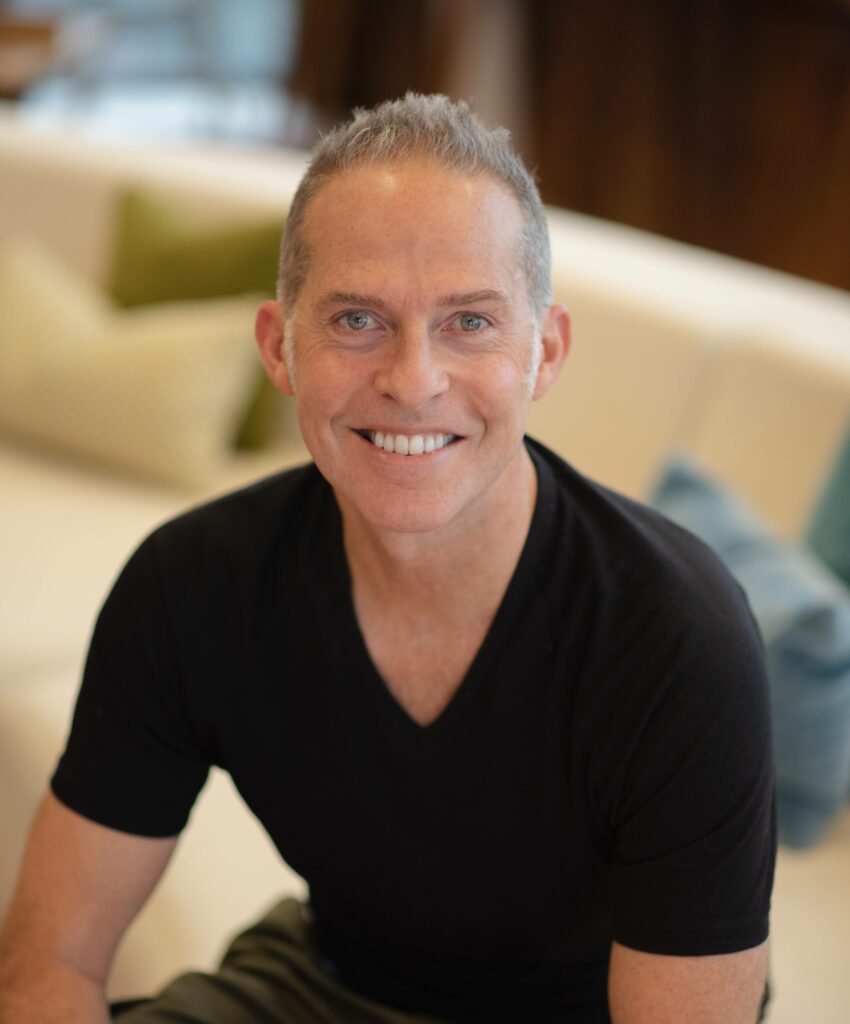
Craig Fenton

Unsure of how to move from law into business Craig decided to move to London to pursue an MBA at the London Business School.

“I found law to be intellectually challenging but I didn’t find it very creatively challenging and I think that’s where business draws my interest. You know, it’s sort of a canvas on which we can paint. However I couldn’t simply take off my lawyer’s wig and black robe and wander into Liverpool Street in the middle of London and declare myself to be ‘in business’. There needed to be some sort of objective reference point that people could grip onto and say okay, this person at least sort of passes muster at the subsistence level of credibility.”

Since making that move 25 years ago Craig has worked across the technology industry for 20 years, most recently as Google’s Managing Director of Strategy and Operations for UK and Ireland. He’s also an author, angel investor and advisor to several start-ups, and has founded his own record label and film production company to give creatives from less privileged backgrounds their start in music and film. In 2023 he was recognised as “UK New Zealander of the Year”

As a mentor Criag says he’s always encouraging people to discover what it is that really matters to them personally, because if you follow your passion that’s half the battle. 

“I think the idea of change starts with an intention and the intention begins with a sort of deeper understanding of yourself. You’ve got to understand what excites you, what’s the thing that makes you lean forward and talk a bit quicker? What do you consume when you’ve got some spare time? These are all markers of something you’re really passionate about. You have to ask yourself why, not what? Why do I want to do that? Not what do I want to do? I think it’s easy to be distracted and sometimes, derailed by a company name, a job title, a function, an industry or even a country. These are all examples of ‘what’, but the deeper question is, why. And the why is the thing that feeds your passion. Never do something because you think you should or somebody’s telling you to do it.”
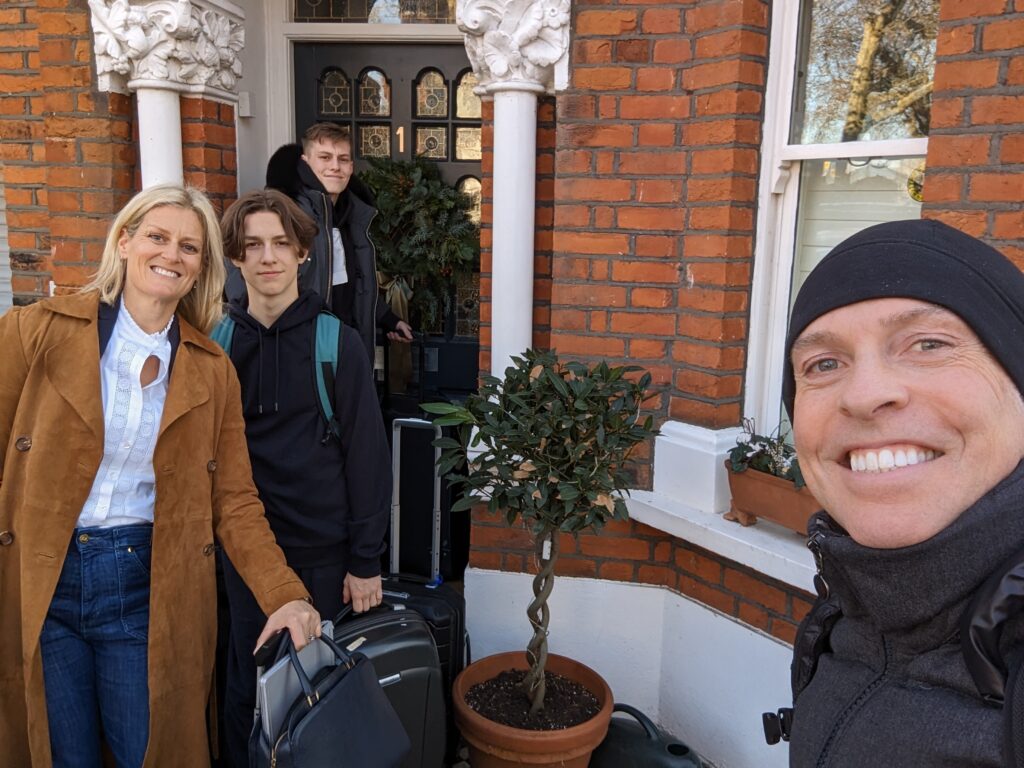
Craig and his family will return to NZ to live after 25 years offhsore.

“I am most comfortable when I’m uncomfortable. A degree of stretch in what you’re doing, I think is important and necessary. When that starts to fade and perhaps, when your excitement starts to fade, or you notice yourself increasingly surrounded by people who are not giving you energy, you need to be prepared to move on.”

Craig says for him, working with up and coming businesses and Kiwi looking to expand into other markets is about giving back and acknowledging that his success is in part due to those who helped him along the way. But there is also a more personal reason.

“There’s also a selfish element to it which is that I get so much energy from it. I love working with entrepreneurs from New Zealand, Kiwi businesses and individuals who have just landed here in the way that I did 25 years ago. I think it’s important for us to think not of the brain drain, as it used to be called in my day, but frame it more as a neural expansion that makes us all stronger, and I think that’s a purpose worth fighting for and investing in, and that’s what drives me to help out wherever I can. 

When Craig set out to do his MBA at the London Business School 25 years ago he never imagined living offshore for so long. He’s always maintained a strong connection back to Aotearoa and this year was named UK New Zealander of the Year and separately received an Special Recognition Award from the University of Auckland. He was also part of the New Zealand contingent which attended the coronation of King Charles. 
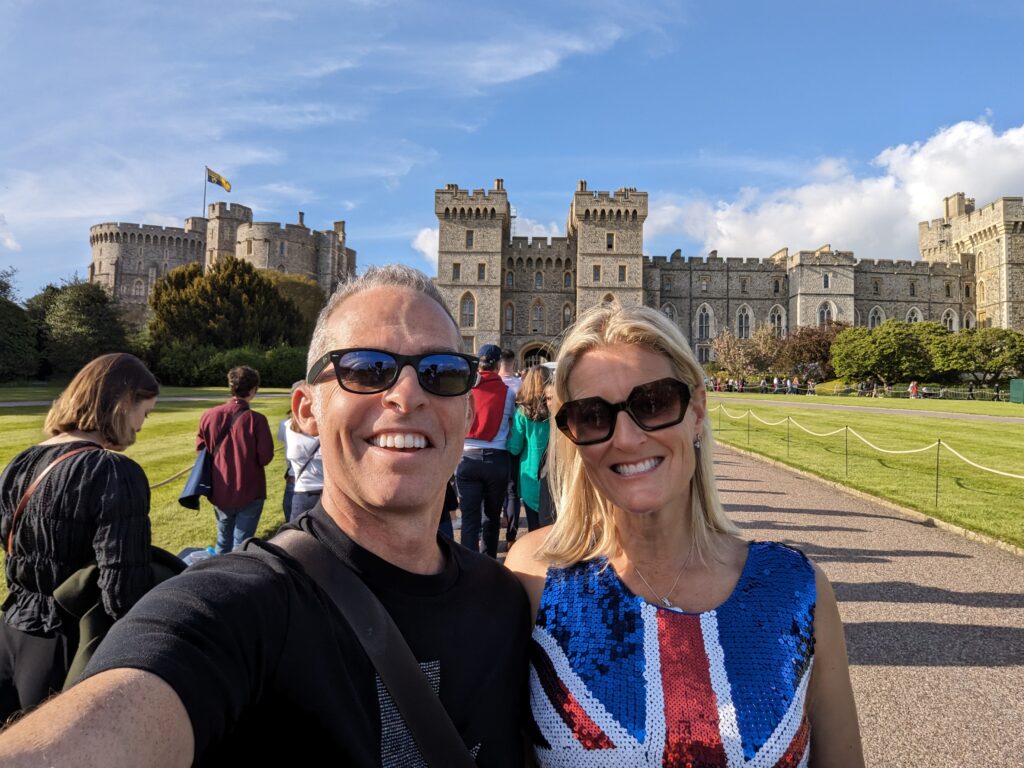
“It’s been a very humbling experience to receive the two awards and to be part of the fantastic Kiwi community in the UK. I think we all sort of stagger through life, with a sense of imposter syndrome thinking ‘why me? I’m in the company of such remarkable New Zealanders and Kiwi really do punch above our weight. I am constantly stunned, amazed and proud of my fellow country people and the achievements that they have attained.”

After a quarter of a century offshore Craig says the family are excited to move back to New Zealand and start the next chapter in their lives. The move will allow the family to enjoy the Kiwi summer and Craig says he’s looking forward to the challenge a new role brings. 

“I am deeply honoured to join the NZ Rugby whānau. The Teams in Black represent the top of our professional sport, of any team in any sport, and elite performance like this is sustained by the foundations on which it is built. I look forward to working with stakeholders across all levels of the game, honouring our legacy, whilst moving the game forward in a modern digital world.”
Filed Under: Businesses going global

Aislinn and her Irish partner had been living in the UK for 12 years and enjoying all that London had to offer, however juggling two young children and two careers without family support was starting to take its toll. Aislinn was conscious that her Wellington based parents were getting older and none of their five children were close by to help out if and when they needed it. 

“We started asking ourselves what mattered most and evaluating where we wanted to be. I had been out of the country for more than a decade and my partner had never lived in New Zealand so it was a big decision to move home, but ultimately it came down to what’s important. Having my kids being able to spend time with their grandparents and build that relationship with them is really special, it’s time you don’t get back, and at the end of the day I think your family will always come out on top.” 

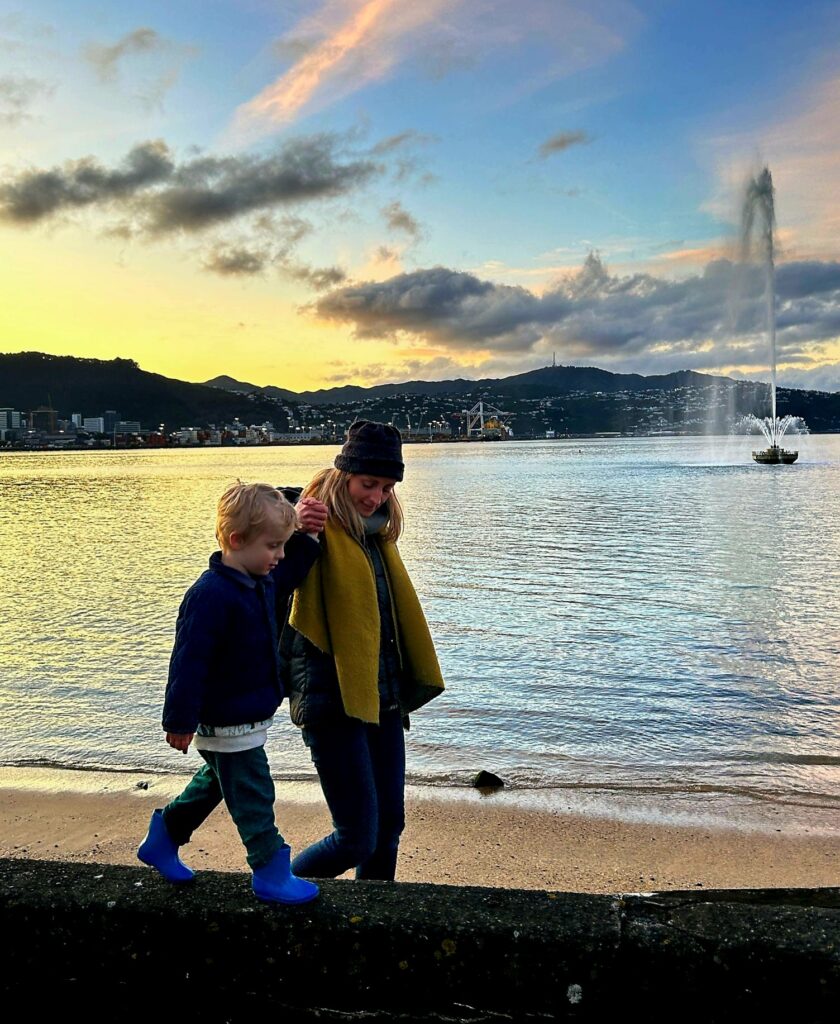
Aislinn and her family moved to Wellington to be closer to her parents and wider family

Since Aislinn’s partner didn’t have a New Zealand passport the couple had to apply for a visa and were warned it could take up to 13 months to process, thinking they would apply and get that underway while they sorted other things out made Aislinn initially feel like she was really organised, until they found themselves racing against the clock.

“We were notified that the visa had been accepted and processed in just seven weeks after we applied, which was great, until we found out that we had to land in New Zealand by September to keep it valid. All of a sudden we had to move quite quickly, we had a flat we wanted to sell and we had to pack everything up – living somewhere for 12 years you don’t realise how much stuff you have accumulated, we also both had to find jobs and sort the kids out, I was so focused on the admin I never stopped to think about actually arriving in Wellington.” 

Aislinn applied for a job as the General Manager for the New Zealand String Quartet, and after interviewing online, the family was in the car on the way to the airport when she got the call she had been successful. 

“It was really nice to know I had something lined up, Wellington has such a great arts and culture scene so I didn’t see the move as problematic for my career. Obviously this is a smaller organisation than ones I had been working in overseas, but I actually like that. When you’re working with a string quartet, by its very nature, it’s a very agile organisation. We can jump at opportunities. We can do more experimental things rather than, you know, working with an orchestra, where you need a concert hall and a lot more planning time because you’ve got so many more people to move. Because of New Zealand being the size that it is, and Wellington being the size that it is, I very quickly got to know all the other people working in the same industry and everyone kind of has each other’s backs. If you have an idea and you want to make something happen you talk to a few people and all of a sudden things are moving really fast.” 

Since moving back to the capital the family have been embracing all the city has to offer and Aislinn says Wellington is a fantastic place, especially if you have a young family. 

“Wellington is really beautiful, and coming from the UK I have noticed a huge change in the amount of wildlife. We are living up in the hills of Brooklyn so we can see the harbour and we are really close to Wellington Zoo and near the boundary of Zealandia. The native birds are just everywhere. We’ve got a resident tūī right by our letterbox that you can chat with when you come in, we call him Stuey the tūī, and we’ve got kākā flying all around. The kids love visiting various beaches and Te Papa. Wellington has a really great buzz to it, there is always something to do and a lot of it is free. We can’t wait till they get a bit older and we can do some of the amazing bush walks and other activities that are right on our doorstep.”

“The other thing I have really noticed is the rise of the Te Ao Māori and how readily New Zealand is embracing it. Our kids are coming home with much more understanding at three than I ever had in my 18 years of growing up here. They are already counting in Māori and singing songs and I love that that is part of their every day.” 

Her advice to others would be to not sweat the small stuff. Despite the family moving home on a much faster time frame than they had initially intended, Aislinn says there were lots of things that fell into place once they landed in Wellington. 

“Moving can be a really anxious time and there are all these questions that you ask yourself or things you worry about, but what we found was that New Zealand is such a friendly and open place that things sorted themselves out quite quickly once we were on the ground. Things like getting a drivers licence was much more straightforward compared to the UK and I found building up professional networks quite easy which was great. There were of course stressful elements like not being able to sell the London flat and having to temporarily move in with my parents while we found somewhere to rent, but overall it wasn’t as bad as you start to think it might be.”

Aislinn and her partner, who’s a social worker, both started work quite quickly and that combined with the kids’ social lives has meant they have been able to settle into life in the capital fairly easily. 

“We have a couple of good friends who have also moved back from the UK and whose kids go to Kindy with ours. There are three families who are all going through the same journey together which is nice. It’s good to be able to share stories about the UK and also have people who really understand what this process is like.”

A year on Aislinn says the family are loving their new lifestyle and, now that they are settled she can’t imagine getting on a plane and going back, not even for a visit at this stage. 

“Now that we’re here, if we’re going to have a holiday I just really want to explore Wellington and the rest of New Zealand, there is so much I haven’t seen. I just want to go on a lot of nice domestic holidays. It’s just so great to have this lifestyle, when I collect the kids from Kindy and they’re covered head to toe in paint and sand with bare feet, I can’t help thinking this was such a good decision. The kids have a healthier, happier lifestyle in Wellington and knowing that they are happy is really the most important thing.”

This content was produced in partnership with Wellington NZ. Their ‘Esc to Wellington‘ campaign is inviting skilled people to Wellington Te Upoko o Te Ika, as a destination to work, live, and thrive.

Filed Under: Businesses going global

A return to New Zealand had always been on the cards for Sarah and her husband, and after Covid they started thinking about returning to be closer to friends and family.

“Once borders reopened we came back from the UK for a holiday and had a look at schools and houses, then my husband was offered a voluntary redundancy package and suddenly, it felt like the universe was pointing us towards a new chapter.”

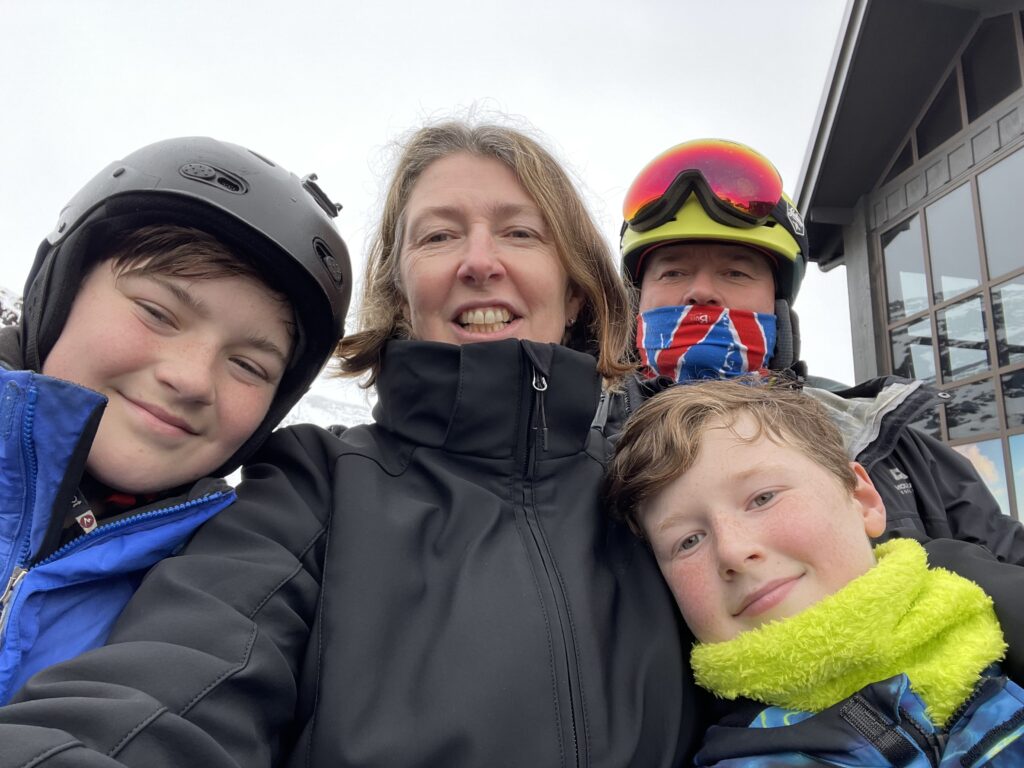
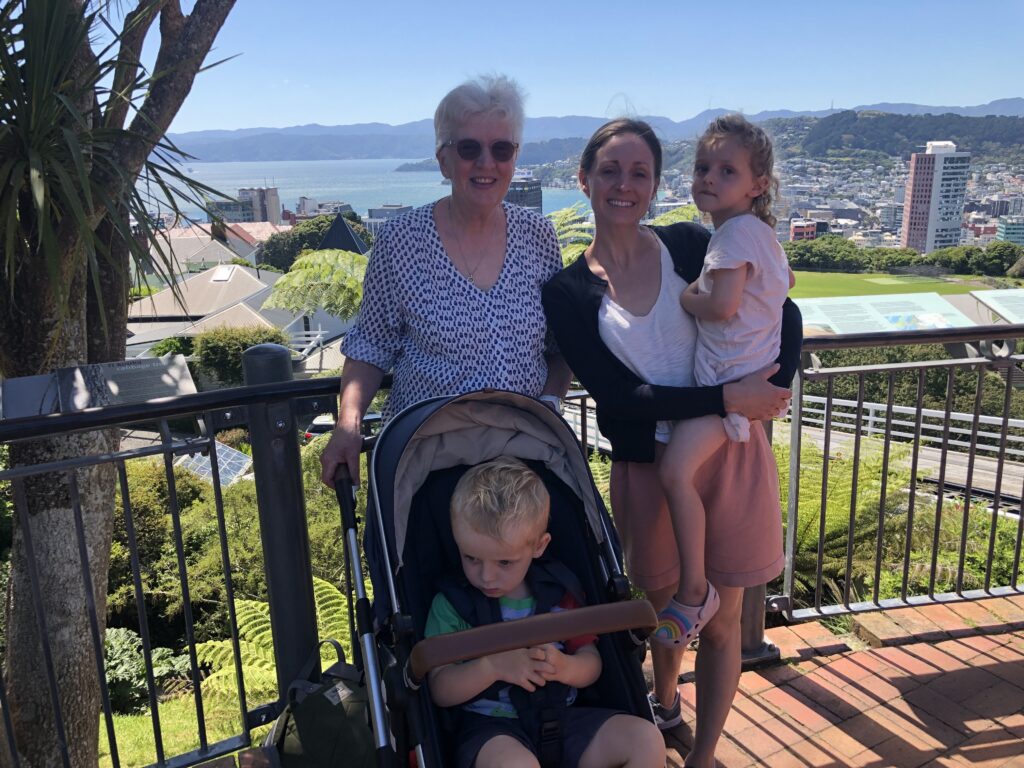
Sarah moved back to NZ with her family after 25 years in the UK

While her husband finished up work in the UK, Sarah returned home to Wellington with her two boys in time for the start of the new school year. While she waited for her nursing registration to come through, she had time to settle her kids into school and find a job.

“I’m a paediatric nurse, but I’ve gone back to basics and started back in children’s surgical. I’ve had to hit the ground running, and go back to things like shift work but now that my foot is in the door the opportunities are opening up and people are like, Oh, what about this? I’m already moving across to an outpatients maternity cover role, which uses more of my skills and experience as a community nurse in the UK.”

For Kiwi who have been offshore for a long time, returning home often triggers a process of self-discovery and adaptation and Sarah admits her and her husband have found it harder to put down roots compared to her two boys, who have taken to life in Wellington with gusto. 

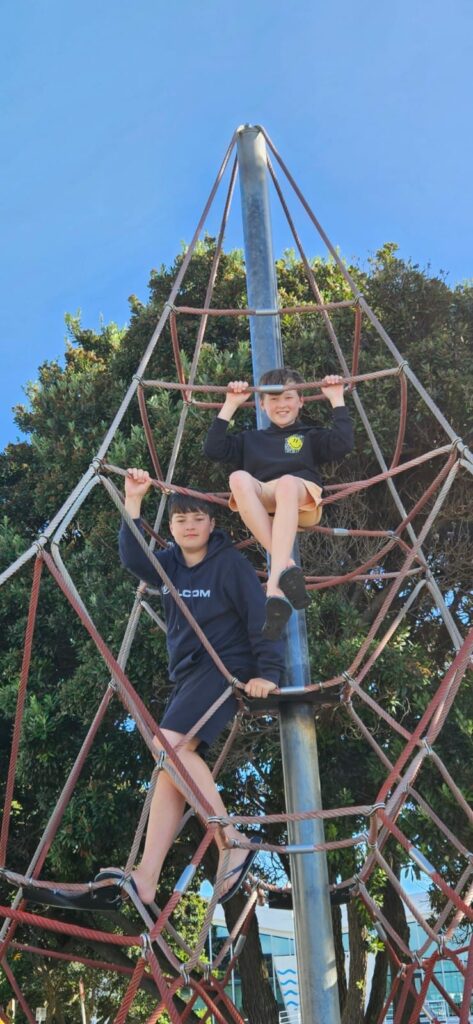
Sarah’s teenage boys have embraced the outdoors

“My boys have settled in so well. They have more freedom here than they did in the UK. I’m happy for my eldest to go to the football in town and get an Uber home, and I wouldn’t probably wouldn’t have let him do that where we lived before. The both love going down to the waterfront to the ASB Basketball stadium or just hiring an electric scooter and riding up and down. My youngest is quite a lover of sea life, and to have such easy access to beaches is great. The marine life is amazing in this city, we can see whales and dolphins out our window, to have that on your doorstep is pretty special.”

“We have been here for 7 months and I don’t feel like I have started to put down roots yet, but anywhere we moved would have been the same, you can’t expect to adjust to a place overnight. I left at 23, and I’m now 49 so what I want has changed, but I still love Wellington.”

“It’s great to be closer to my family, especially my parents, that is time you can’t get back. Wellington’s weather has been nothing like the winters I remember in my childhood, it’s been amazing this winter. Wellington is a beautiful city with lots of greenery and you don’t necessarily have to pay to do things here. The city also made a massive effort with the FIFA World Cup which was awesome to see.”

The other thing Sarah appreciates about her new life is the change of pace and the ability to find peace and beauty in her childhood home town.

The view from Sarah’s window

“Alongside family, a change of lifestyle was a big motivator for us to return. We get an incredible view from our house, and even when I am having a really tough day I can come home and look at this view and think yep, this is worth it. You can always find your little piece of peace and quiet in Wellington and that wasn’t something I could ever say living in the UK. There is always the option to get a coffee, sit on a bench and watch dolphins, that’s really special when you think about it.” 

Sarah’s experience offers valuable insights to those contemplating a similar journey and highlights, Sarah says it’s important for those thinking about returning to do some research before moving .

“Be really, really realistic about why you’re coming back. If you’ve got family here, then it does make life so much easier. After 26 years, I didn’t exist in New Zealand, no one could find my NHI number, I couldn’t open an electricity account because I didn’t have a credit history, I couldn’t rent a house because I didn’t have a credit history or a job. So definitely do your research, come back and visit, and talk to people before you make that final decision.”

Returning home after nearly three decades offshore has highlighted to Sarah how important it is for Kiwi to travel, but also to bring their ideas and perspectives back home again. She feels the great Kiwi OE has been somewhat affected by Covid and hopes that people, especially young people will resume their passion for travel now that borders are open. 

“When I left in my early 20’s it felt like everyone went to the UK for a few years, I think for a country like New Zealand it’s really important that people go offshore, see the big wide world and then come home and bring those global views and experiences with them. I feel like Kiwi are really good at bringing those ideas back home and making them our own.”

This content was produced in partnership with Wellington NZ. Their ‘Esc to Wellington‘ campaign is inviting skilled people to Wellington Te Upoko o Te Ika, as a destination to work, live, and thrive.

Filed Under: Businesses going global

Peter also spoke about his next expedition – a thought leadership journey to Antarctica in March 2024, and how Kiwi and join him and Sir Graham Henry on this voyage to discuss some of the big global issues facing our planet. Listen to the full webinar below and discover how you can be part of the expedition here.

Filed Under: Businesses going global

Alex and his partner had been in Auckland for around 6 months when the pandemic first hit, Alex was working in Auckland for Kiwi company Icebreaker and he and his wife were enjoying the city’s improv theater community. Things were going well and only got better when the couple celebrated the birth of their first child – a baby boy. 

But life took an unexpected turn when Alex faced redundancy at Icebreaker due to the company’s relocation to Switzerland. Undeterred, he and his wife decided to stay in New Zealand and seek new opportunities, Alex says they were lucky that the gamble paid off. 

Alex and his wife are enjoying their new lift in NZ

“When we got the news from Icebreaker there was COVID everywhere in Europe, but none in New Zealand, I had a two weeks old baby and my wife and I thought well there is nothing for us in Switzerland outside of work, we don’t have family or friends there and we can’t speak German, and at that point travel was really hard. We were happy in New Zealand and we decided that we couldn’t stop our New Zealand adventure just yet.”

Alex only had a short time to find another job as the couple’s visa relied on it, a time he admits was quite stressful. He connected with the CEO of Kathmandu on Linkedin and explained his predicament and his qualifications and was lucky enough the company were looking for someone just like him. 

“Kathmandu had the ambition to expand outside of New Zealand and Australia, but they needed someone with more expertise in these offshore markets and because that was my background things worked out well.” 

The couple moved to Christchurch and bought a house and now two years on, call the city their home. Alex is a keen surfer and loves the mix of lifestyle and business that the city provides and his son is growing up a proper Kiwi kid, and speaks a mix of English, French and Māori.

“We’re walking distance to the beach, you know we really are living the dream, my wife loves it here and so does my son. Sumner is a really beautiful place and we just feel really lucky. There’s a great sense of community here. People are very friendly. They’re always willing to give you a hand.” 

After helping Kathmandu to strategically launch in Europe, Canada and Japan, Alex’s role wound up as the local teams expanded and took over the operations. After this 2nd redundancy, he had the opportunity to work for another company in Auckland but the couple wanted to stay down south and so Alex has decided to try and give back to Kiwi businesses by using his offshore knowledge to start his own consulting company.  

“I’m hoping to be able to help either New Zealand businesses that want to export or help brands from overseas who want to come to New Zealand. I want to focus on assisting enterprises in growing while maintaining a positive impact on the planet and people. My goal is to help businesses to drive better businesses.”

Not content with just helping businesses, Alex is also planning to donate 1% of his revenue to New Zealand charities, supporting causes close to his heart and giving back to the community that welcomed him with open arms.

Throughout his time in New Zealand, Alex has been inspired by the country’s commitment to environmental sustainability and social responsibility and says he admires New Zealand’s efforts to protect its natural wonders, with nearly 40% of New Zealand’s land area designated as conservation land.

“New Zealand is a country that really embraces nature, and that was something that we were immediately drawn to. I love how there is a real focus here on protecting the planet.”

Alex’s professional journey has also allowed him to collaborate with indigenous Māori businesses, further deepening his appreciation for New Zealand’s rich cultural heritage. He says both him and his wife admire the Māori principles of Kaitiakitanga (guardianship) and manaakitanga (hospitality), which reflected a deep respect for the land and its people.

Despite the challenges posed by the pandemic and changes in jobs,  Alex says his family has never regretted the decision to move to New Zealand. He believes that resilience and adaptability are essential traits for anyone, especially during uncertain times.

“Resilience is important for both life and businesses. If you are resilient and open to adapting, you can find opportunities anywhere. Our family considers ourselves really privileged to be able to live here and we hope that we can give back to a country which has welcomed us so readily.”

Filed Under: Businesses going global

Stephen He, Shanghai

How long have you lived offshore? More than 15 years

What do you love most about Shanghai? It’s a mega cosmopolitan city full of energy and opportunity, as well as a blend of oriental and western culture with heaps of good cafés, bars and restaurants and super easy access for delivery.

If someone was coming to visit the area what are two places you would recommend them
visiting and why?
If you wish to capture the rhythm of the urban city, Lujiazui will be on my list. You can admire the modern skyscraper along Binjiang Ave as well as various buildings of different architectural styles across the River. Another way to experience the unique lifestyle is to take a stroll along the old streets in Shanghai’s French concession area with leafy plants growing on both sides of most streets.

What’s the best thing about being a Kiwi offshore? Developing a global network of contacts both business and socially, China signs pacts with “friend and partner” of New Zealand, you will feel most welcomed here.

What do you miss the most about New Zealand? Most of the outdoor sports, beaches, authentic fish and chips and mince pie….

What advice would you give to your pre-offshore self/What would you have liked someone to tell you before you travelled? Do some homework before taking any action. Once you hit the road, try to blend yourself into the local community, and learn some local dialect.

How do you remind yourself of home on days when you miss New Zealand? Meeting up for a beer with Kiwi’s watching AB and the Black Caps.

John Gao, Ningbo (and Wellington)

How long have you lived offshore? 3 years plus, since covid broke out.

What do you love most about your current home? Convenient and great environment.

If someone was coming to visit the area what are two places you would recommend them
visiting and why?
Ningbo Bang Museum: You will be amazed how much people from Ningbo have achieved. In the early morning visit the area around Dongqian Lake: There are nice cycling tracks and tramping tracks. The scenery will be like a nice painting.

What’s the best thing about being a Kiwi offshore? How big the world is, and how great New Zealand is.

What do you miss the most about New Zealand? Beef and friends.

What advice would you give to your pre-offshore self/What would you have liked someone to tell you before you travelled? Learn some Chinese before leaving NZ.

How do you remind yourself of home on days when you miss New Zealand? Catch up with Kiwis I can find in Ningbo, have some kiwi food.

Christiana Zhu, Shanghai, China

How long have you lived offshore? 9 years. 8 in Beijing, 1 in Shanghai.

What do you love most about your current home? The safety and convenience of everyday life. Beijing and Shanghai are two of the safest cities in the world. There’s very little petty crime and I’ve never felt unsafe on the streets, even as a female walking through hutong alleyways late at night. The proliferation of e-services also makes life very convenient. From grocery shopping to managing chores like household maintenance and postage, and even self pampering spa services, you can easily book anything with a click of a button and everything comes to you. With e-cash being king in China, I’ve also not had to carry a wallet for years!

If someone was coming to visit the area what are two places you would recommend them
visiting and why? A hypermarket like Hema or an international brand retail outlet like IKEA, it’s a quick way to get a feeling of what everyday life is like for the middle class. When you compare the brands, product selections, and product formats to what things are like at home you can get good insights on cultural differences and similarities. If you are visiting Beijing – Ritan park in the morning or around sunset. This is when the retired folks come out to exercise and socialise. You will find interesting pursuits such as taichi, whip cracking, and saxophone practice. The content may be exotic, but the joy and passion with which they practise their hobbies is something that is easy to connect with on a base human level and give fresh perspectives on life.

What’s the best thing about being a Kiwi offshore? The community of awesome Kiwis doing incredible things. It almost sounds silly that one thing I love doing outside of NZ is finding other Kiwis, but I think because of our creative and adventurous spirit, Kiwi expats tend to get involved in some really cool projects, especially when we might not have the same platforms available back home. Connecting with these awesome people at local kiwi drinks is one of the true highlights of expat life.

What do you miss the most about New Zealand? Being able to head off into the mountains every weekend. NZ’s access to nature is second to none. I lived in Queenstown before coming to China, so I was definitely spoiled in that regard.

What advice would you give to your pre-offshore self/What would you have liked someone to tell you before you travelled? Make sure you remember to top up your NZ phone number every year, or you’ll lose it!

How do you remind yourself of home on days when you miss New Zealand? Marmite on toast!

Filed Under: Businesses going global

  • « Go to Previous Page
  • Go to page 1
  • Interim pages omitted …
  • Go to page 6
  • Go to page 7
  • Go to page 8
  • Go to page 9
  • Go to page 10
  • Interim pages omitted …
  • Go to page 43
  • Go to Next Page »

Our Partners

ASB Logo

Kea nurtures a vibrant and diverse community who share a strong passion for New Zealand and the success of its people and businesses

  • Home
  • Kea for business
  • Kea for you
  • Jobs
  • Events
  • News & Resources
  • World Class New Zealand
  • About
  • Contact Us
  • Terms & Conditions
  • Privacy Policy
JOIN MY KEA

© 2026 Kea New Zealand