





• Skip to main content

MENU
  • Kea for business
  • Kea Connect
  • A service facilitating crucial introductions between businesses and industry experts
  • Kea for you
  • Becoming a member
  • Join Kea's global community and stay connected to home wherever you are
  •  
  • Jobs
  • Find and post local and international opportunities
  •  
  • Events
  • Connect with Kiwi through local, international and virtual events

  • Kea and our community
  • About Kea
  • Kea Partners
  • Contact
  • News and resources
  • Latest
  • World Changing Kiwi
  • Kiwi coming home
  •  
  • Kea Connect success stories
  • Businesses growing at home
  • Businesses going global
  •  
  • Global Kiwi
  • Launching your global career
  • COVID-19 recovery
  • World Class New Zealand
  • World Class New Zealand Network
  • Award winners 2023
  • Award winners 2022
  • Award winners 2021
  • Gallery 2023
  • Gallery 2022
  • Gallery 2021
  • Gallery 2019
  •  
  •  
  •  
Kea New Zealand

JOIN MY KEA
Kea New Zealand
JOIN MY KEA
  • Home
  • Kea for business
  • Kea for you
  • Jobs
  • Events
  • News and resources
  • World Class New Zealand
    • World Class New Zealand Network
    • Award winners 2023
    • Award winners 2022
    • Award winners 2021
    • Gallery 2023
    • Gallery 2022
    • Gallery 2021
    • Gallery 2019
  • About Kea
    • Kea Partners
    • Contact

Sign into My Kea

Register
Forgot your password?

Don't have an account?

This is available exclusively to our Kea community. Log in below or join our vibrant and diverse community of Kiwi explorers.

Join us Login

Businesses going global

Alex Reedijk

Alex Reedijk (UK): Alex is the General Director at Scottish Opera, the Vice Chair, Citizens Theatre, and Chair of The Beacon Arts Centre Greenock. Alex joined the Scottish Opera as General Director in February 2006, following four years at the helm of The NBR New Zealand Opera. Prior to that he was Executive Director of the New Zealand International Festival of the Arts. He’s worked with opera companies and festivals across the world and was responsible for the New Zealand performance of the Edinburgh Military Tattoo, which made its first highly successful visit to Wellington in 2000. During Alex’s 15 years at Scottish Opera the company has flourished, bringing opera performances to over 45 communities across Scotland every year. He has led the company to create an array of new initiatives for young people, and for people living with Dementia, including the world’s first Dementia Friendly opera performances in 2016. Alex has also worked closely in partnership with Music Director Stuart Stratford to sustain and develop a very strong commitment to both 20th century opera and new commissions. In November 2011, Alex was awarded a Fellowship of the Royal Conservatoire of Scotland. Outside of the Opera, Alex is generous in providing guidance and support for many within the creative industries. He is always open and enthusiastic to connect and support Kiwi looking to learn, develop their careers offshore. 
Joanne Mceachen

Joanne Mceachen (NZ):Joanne started her career as a teacher and principal before joining the Ministry of Education in 2008. With the MoE she managed multiple whole-system initiatives and began down the path of systemic reform centred on equitable outcomes and authentic assessment. After moving to the United States in 2012, Joanne founded ‘The Learner First’ to take a systemic approach to the integration of academic and social and emotional learning and then co-founded the global initiative New Pedagogies for Deep Learning. (NPDL) More recently she has helped design the Contributive Learning framework to help school communities design purposeful learning experiences, measure the outcomes that matter, and guide every student to academic success and well-being. In 2020 Joanne moved home to New Zealand and founded the Kia Kotahi Ako trust to address educational, climate, and other important challenges facing Papatūānuku (our planet). Joanne is a celebrated author, speaker, and change leader, Joanne’s insights are illuminated by continued, hands-on experience partnering with diverse countries, school communities, and students around the world.
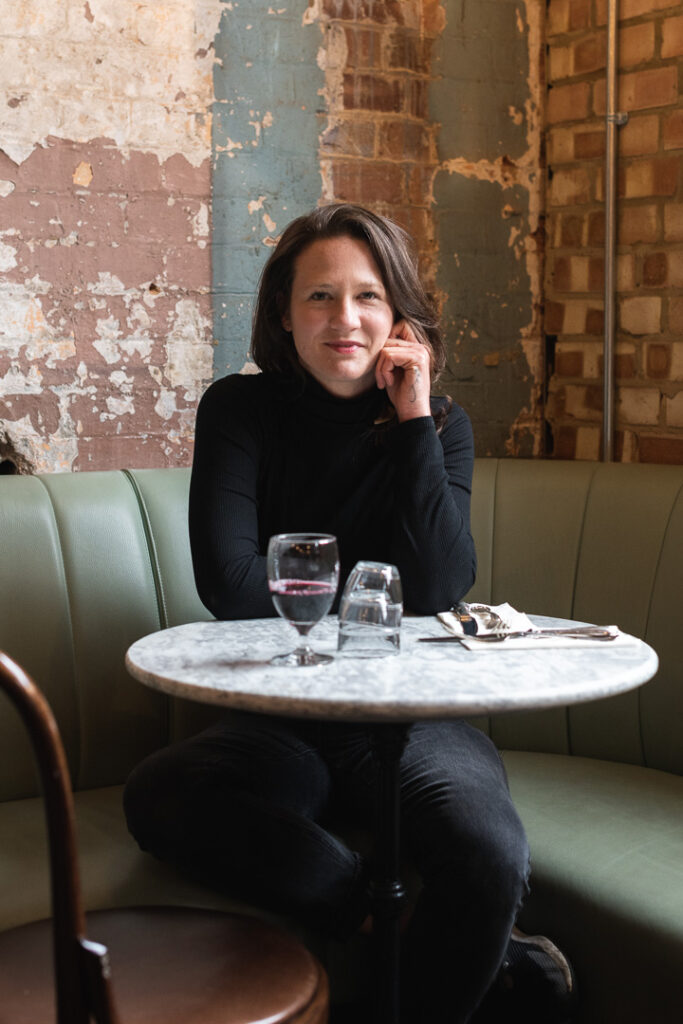
Melanie Brown

Melanie Brown (UK): Melanie launched Specialist Cellars (formerly The New Zealand Cellar) in 2014 building an online platform and an exclusive New Zealand wine shop and bar in Brixton. She is the driving force connecting New Zealand wineries and consumers in the UK, regularly  hosting a diverse range of tasting events, bringing to life the people and stories behind the wines. Specialist Cellars has been particularly instrumental in transforming perceptions of New Zealand wine in the UK and has gained critical acclaim as the most extensive offering of premium New Zealand wine outside Aotearoa. Melanie began her hospitality career as a chef with Peter Gordon at The Providores in London in 2005 and transitioned quickly to her wine studies. Her deep knowledge of wines and their origins coupled with her expert palate means she is a sought after judge for many wine competitions. Before the pandemic hit, Melanie opened her first restaurant ‘The Laundry’ in Brixton, and after navigating several challenging years through Covid The Laundry has become a neighbourhood hot spot. Melanie has been instrumental in helping Kiwi F&B businesses explore and enter the UK market and also offers up her restaurant as a space for the community to come together. She has held several Kiwi Christmas dinners at The Laundry in combination with Kea.  
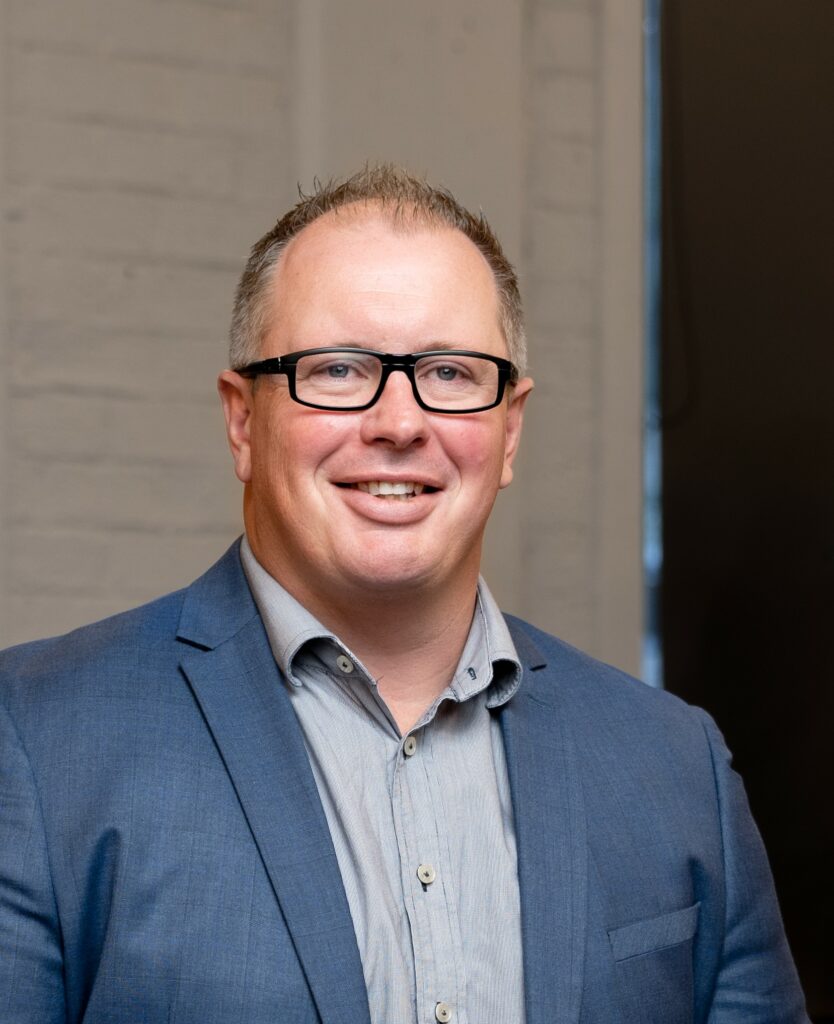
Nathan Hight

Nathan Hight (NZ): Nathan has spent 20 years in the safety industry and has been a global leader within drowning prevention, applying risk management frameworks and developing global strategies in collaboration with other nations to reduce the global drowning toll. Nathan has led operations in Australasia, South America, Asia, Middle East and Europe. He is the former General Manager of Surf Life Saving New Zealand and Surf Life Saving Australia. The latter included leadership of significant safety culture reform in an iconic Australian organisation with 50,000 workers exposed to unpredictable, high risk working environments every day. Nathan was the former Chairman of ACC Drowning Prevention Strategy, Environmental Advisory Committee which was responsible for developing a risk based approach to drowning prevention in NZ. Nathan is also the Co-Founder of Safe365, a B2B SaaS platform that supports thousands of businesses around the world with understanding and improving work health, safety & well-being outcomes. Nathan advises executives and Boards of some of the most well-known brands on the planet, in some of the most complex work environments to ensure companies have strong, aware and enabled leadership, people are safe and business outcomes are maximised.  
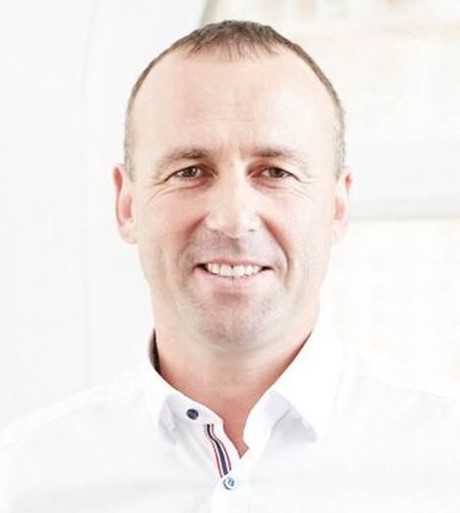
Paul Gough

Paul Gough (UK): Paul is the Managing Partner at STAR Capital in London. He has over 20 years experience in covering a wide range of merger, acquisition, divestment and finance projects across several countries, leading and shaping the investment landscape, especially on transport and energy-related investment activity. Paul currently serves on many boards as an Independent Non-Executive Director, including Infratil NZ. He is a Member at the Institute of Finance Professionals New Zealand.  He has a Bachelor of Commerce (Hons) in Finance & Quantitative Analysis from the University of Otago, New Zealand and is a member of the New Zealand Society of Investment Analysts. Paul is incredibly supportive of many of the NZ community based organisations here in the UK and to and to offshore Kiwi, including Kea NZ, Te Papa Foundation, NZ UK Link Foundation and YES! Youth Experience in Sport.  His support and dedication to help create opportunities for fellow kiwi as well as supporting those in-market is unparalleled. 
Filed Under: Businesses going global

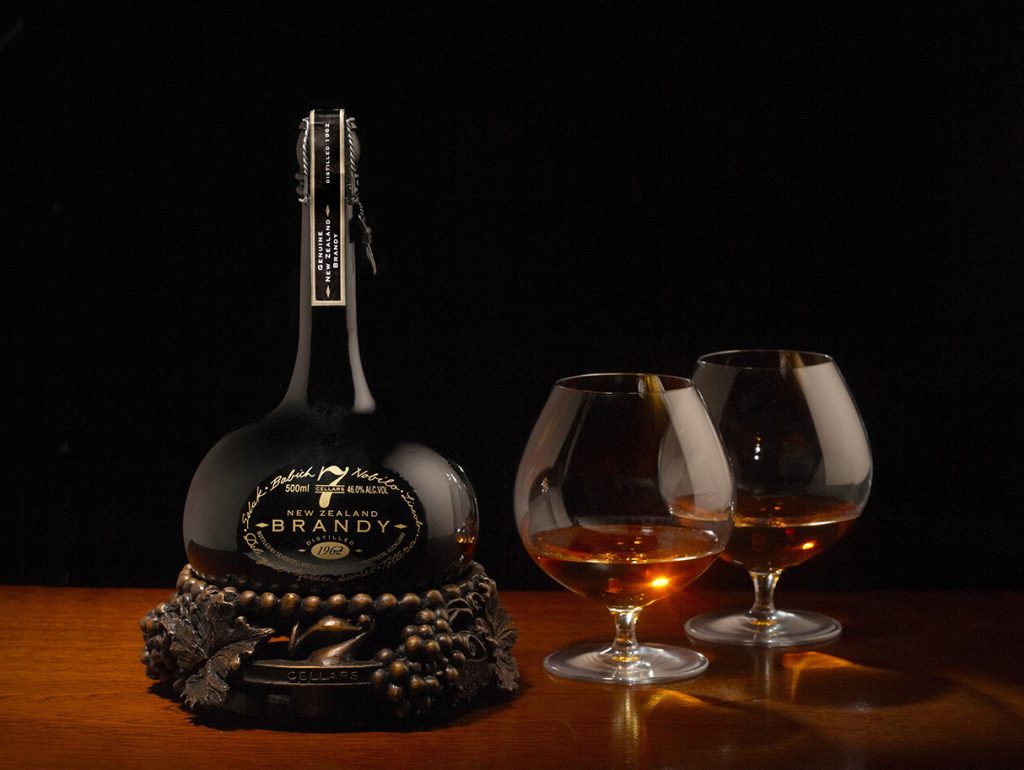
In the early 1960’s New Zealand’s export wine industry was still in its infancy and far from the globally renowned market that it is today. There were far fewer vineyards and far less technology but plenty of global thinking. Not just satisfied with making fortified wine or sherry, which were the most popular options at the time, a group of New Zealand’s original growers came together to discuss whether they could distil New Zealand grapes and create a Kiwi brandy which would rival the French cognacs. 

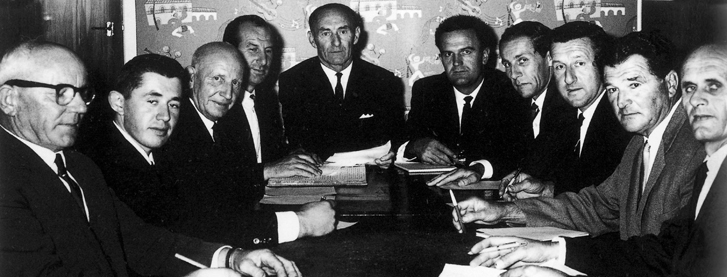
The Seven men of 7Cellars

This group of seven men included Josip Babich who became known as one of the grandfathers of the New Zealand wine industry, Nikola Delegat the founder of Delegat wines and Nikola Nobilo one of the pioneers of New Zealand Sauvignon Blanc. After being granted one of several licences given out by the Government at the time, each of the seven growers contributed grapes which had been grown in areas of high clay content, a trait which is recognised as a key component for quality brandy. This group became known as ‘The Seven Men of the 7Cellars’ and would meet regularly to review progress, evaluate samples and contribute their own expertise and experience. Their aim was to create brandy that would be recognised as world class.

The brandy was in fact deemed world class in terms of taste and quality with the Government of the day sending samples to France and receiving positive feedback, however the commercial viability of distilling brandy in New Zealand was ultimately not successful, and most of the growers who had been granted licences used turned the experimental brandy back into other things such as fortified wine. However the Seven Men decided to hold onto their batch and it was put into brand new French Limousin oak barrels, the same barrels that are used in Cognac, where it sat for the next forty years. 

The brandy was bottled in 2022

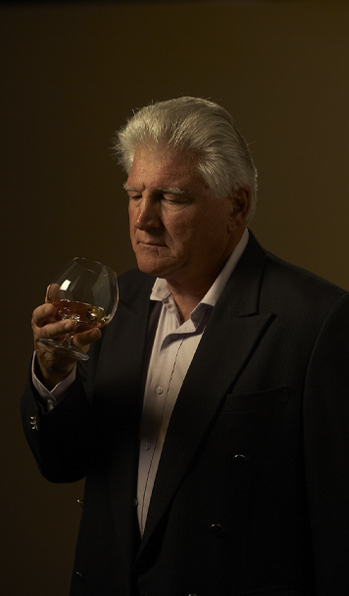
Today New Zealand’s wine industry is a 2 billion dollar global market and the Seven Men of 7Cellars are no longer with us. However their legacy and innovation lives on. In the late nineties the brandy was blended and left to sit for another three years and then in 2002 it was bottled by the current curator, Nick Nobilo, the son of Nikola who was a teenager at the time of the experiment. 

“I was straight out of school, but I knew I wanted to be involved in the wine industry. This was a big project for my father and I was very keen to see what the outcome was going to be for all of the seven. For me it was also a learning curve, it really showed me that the future of the industry lay in innovation and experimentation.”

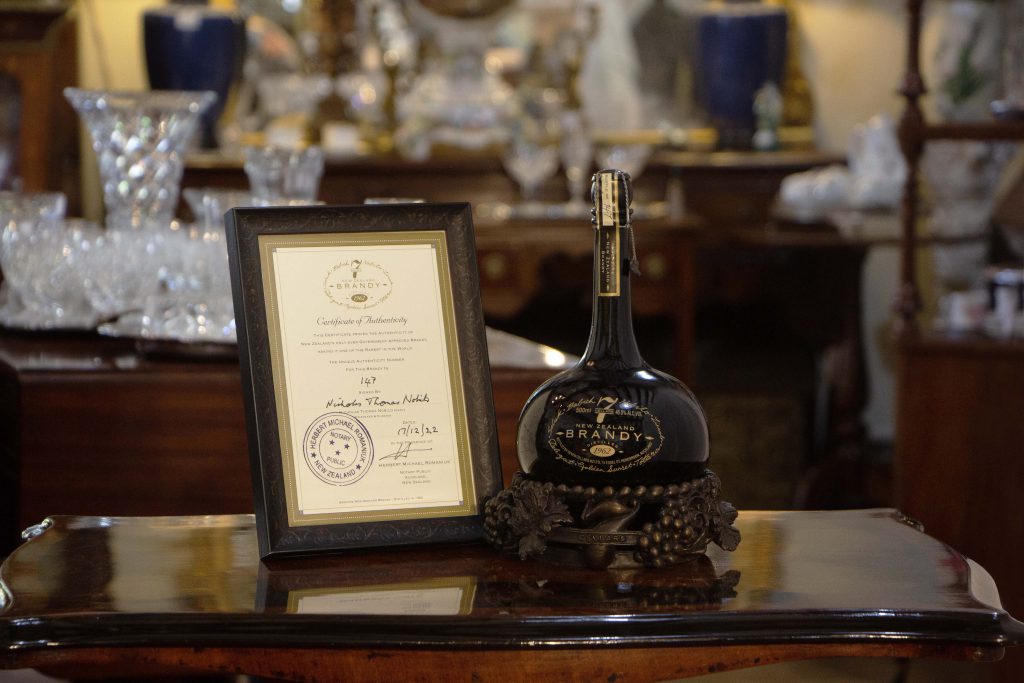
After accounting for the ‘angels share’ the amount of liquid which is lost as the brandy ages, Nick was left with 502 bottles of this one off Kiwi brandy – one of which has been donated to Te Papa museum. He also commissioned a Kiwi bronze sculptor to create a base for the bottles to sit on. Each bottle has its own authentication certificate and Nick is in the process of setting up a registry so individual bottles can be accounted for long after he has gone. 

Nick Nobilo says it time to share the brandy with Kiwi all over the world

“For me it’s really about preserving the legacy of the Seven Men. This group was ahead of their time when it came to innovation and global thinking. In a way this brandy is a time capsule of New Zealand’s winemaking legacy. It shows the innovation and the dedication of those pioneers to create something that was equivalent to the best in the world. These bottles are a connection to that history.”

After sixty years Nick says it’s time to share that connection and legacy with Kiwi all around the world, and has decided to offer the bottles up to those looking to invest. 

“This brandy is unique, it’s arguably some of the rarest brandy in the world and it’s been judged in the top 5% of brandy internationally in terms of flavour and complexity. This is not a brandy you drink, it’s a brandy you invest in because there are a limited number of bottles and it will continue to increase in value. These bottles can be purchased by anyone but ultimately we would love them to go to Kiwi around the world who want to own a part of this unique history and who will really value that connection back to New Zealand and want to pass it on through the generations.”

Nick says he believes the Seven Men of 7Cellars would be thrilled to share their legacy with Kiwi around the world and would be amazed by how  much New Zealand’s wine industry as a whole has changed and evolved. 

The brandy comes on a handcrafted bronze base and every bottle has a certificate of authenticity

“These men were instrumental in the early evolution of our wine industry and their work has been carried on by the generations that followed them. I think if they could see the way the wine industry has turned into a major export market for New Zealand they would be really proud. This group of men were a fantastic example of how Kiwi can come together to share global skills and knowledge and think big and I know they would be thrilled that their legacy will live on through this brandy.”

The opportunity to invest in this piece of Kiwi history is being offered exclusively to our World Class and Kea global community, the brandy has not yet been marketed to the public, although a number of bottles have been purchased by those associated with the project. You can discover more about the brandy and invest by visiting the 7Cellars website

The article has been created as part of a content partnership between Kea and 7Cellars. 

Filed Under: Businesses going global

With 30+ years of experience in climate finance and leadership coaching, Nigel and Veronica will bring a wealth of knowledge on board Novara, a high-latitude ice breaker vessel, to document the stories of coastal communities around the world who are grappling with climate change.

Veronica and Nigel discussed what it takes to start with an idea and make it a reality, and how they plan to connect people to the impact of climate change through science and adventure.

This webinar is a must for anyone who wants to make a difference in the world, no matter how big or small.

Listen to the webinar below.

About Kea’s WCNZ speaker series:

The aim of Kea’s speaker series is to highlight the incredible stories of our World Class New Zealanders and inspire other Kiwi to push the boundaries of their own business goals and expectations. Our World Class community are keen to use their insights and learnings to help others achieve the same heights of success that they have experienced.

Filed Under: Businesses going global, World changing Kiwi

What does International Women’s Day mean to you?

Jane: International Women’s Day is not only an acknowledgement of the role of women in our societies, but also a celebration of all women. It is also a reminder of the strength, courage and grace that all women possess. 

Nancy: Women gaining access and opportunities to workplaces which are supposedly male dominated is what International Women’s Day means to me. We must embrace and empower women and give them the recognition they need.

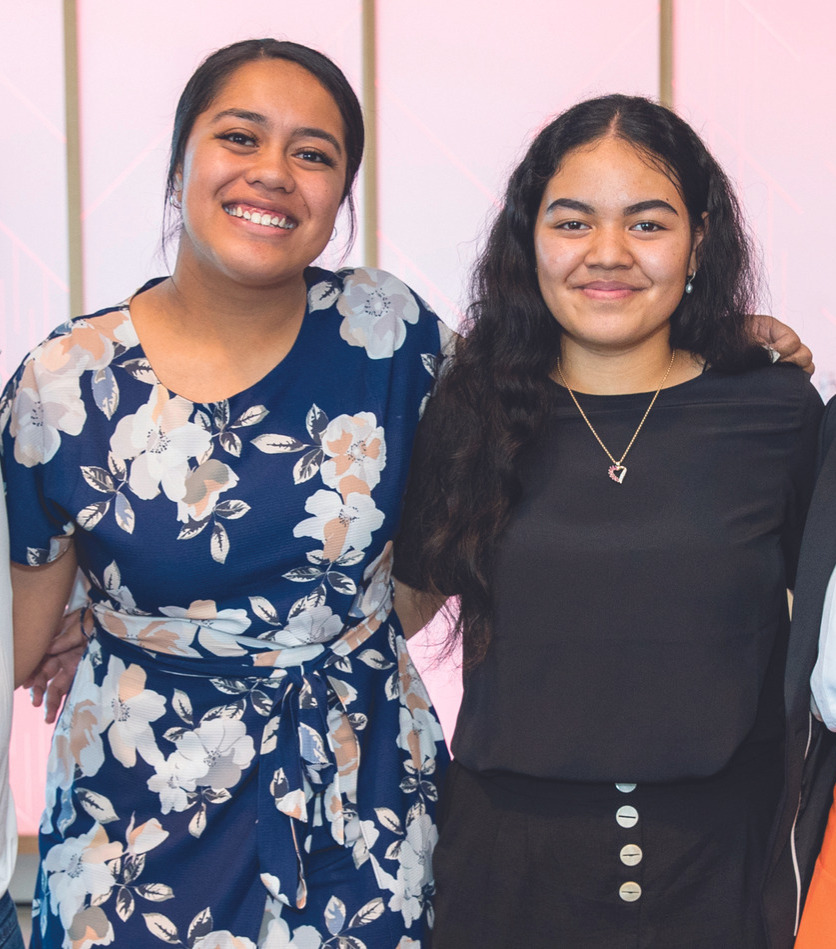
Jane Fasavalu and Nancy Vuni , DLA Piper

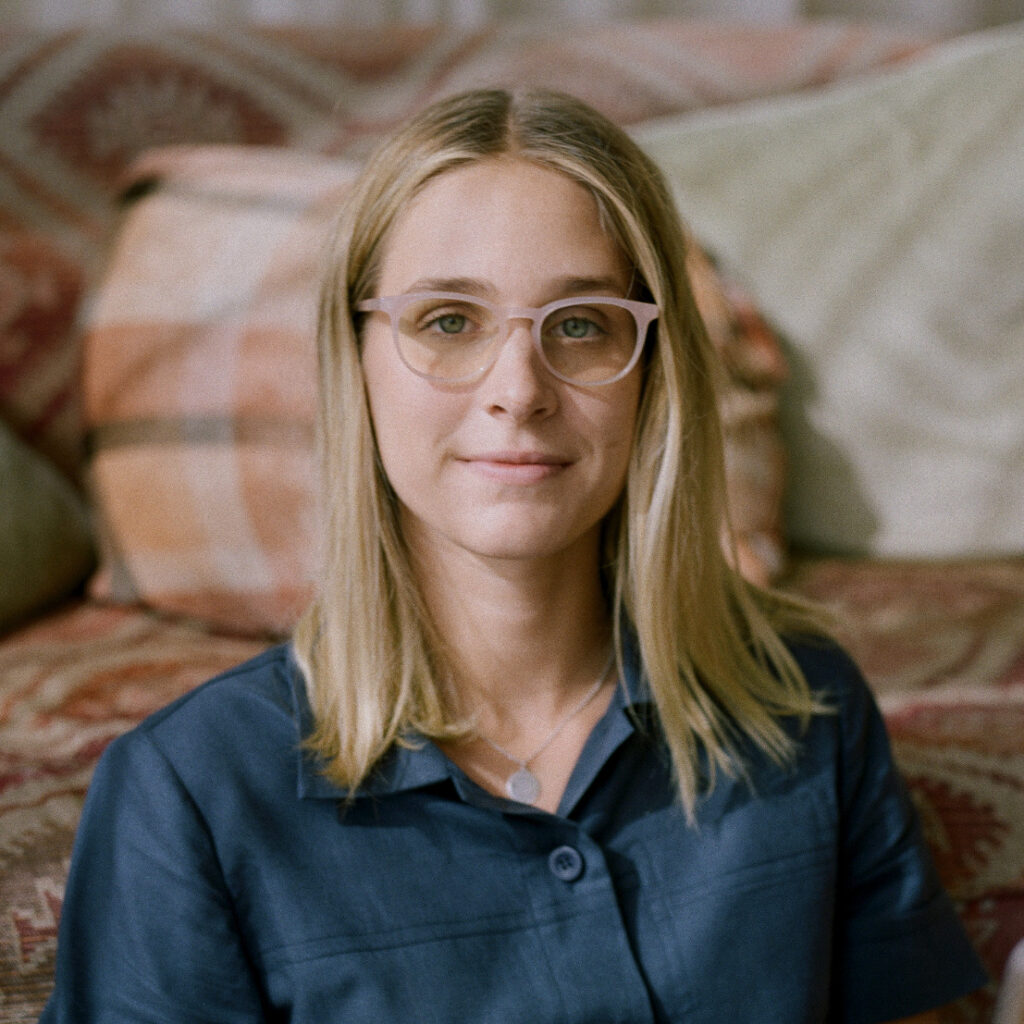
Ella: Conversation is the big one–a day to share, listen, and reflect on our unique (and not so unique) experiences as women. Thinking about how far things have come, and how far things have still got to go. It’s crazy to think my grandmother had to resign from her job once she got married. Taking a moment to celebrate our accomplishments, big and small, because in my experience, women usually don’t.

Hayley: Although women should always be valued and appreciated, I believe International Women’s Day provides an additional opportunity to give thanks to all the women in our lives. Those who raised us, taught us, inspired us. A day to acknowledge women’s achievements from the past, current, and those to come. 

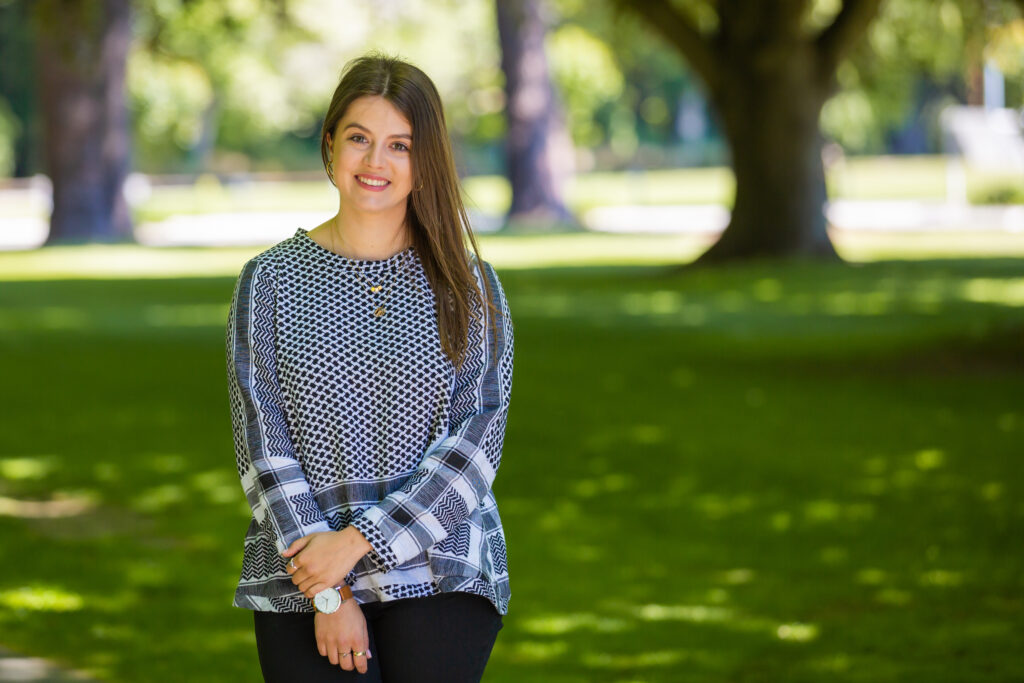
Jemma: The meaning of International Women’s Day is twofold to me. It creates an opportunity to celebrate the achievements of women and girls and recognises the contributions they have made to society. It also stands as a reminder of where there is more to be done and focuses attention on issues such as the gender pay gap, violence against women and girls and gender discrimination.

Do you see any gender bias in your chosen industry? 

Nancy: Gender bias and diversity are often challenges seen when studying law and working within law firms due to unconscious biases. However, law has become much more open to equity of genders. I’ve seen DLA Piper embrace equity for both genders, with women in leadership roles within the firm and gender diversity across the firm. I hope other law firms are doing the same.

Ella: The animation industry skews towards being more male oriented. It took me until a few years into my career to consciously realise that all of the animation mentors in my life were men.

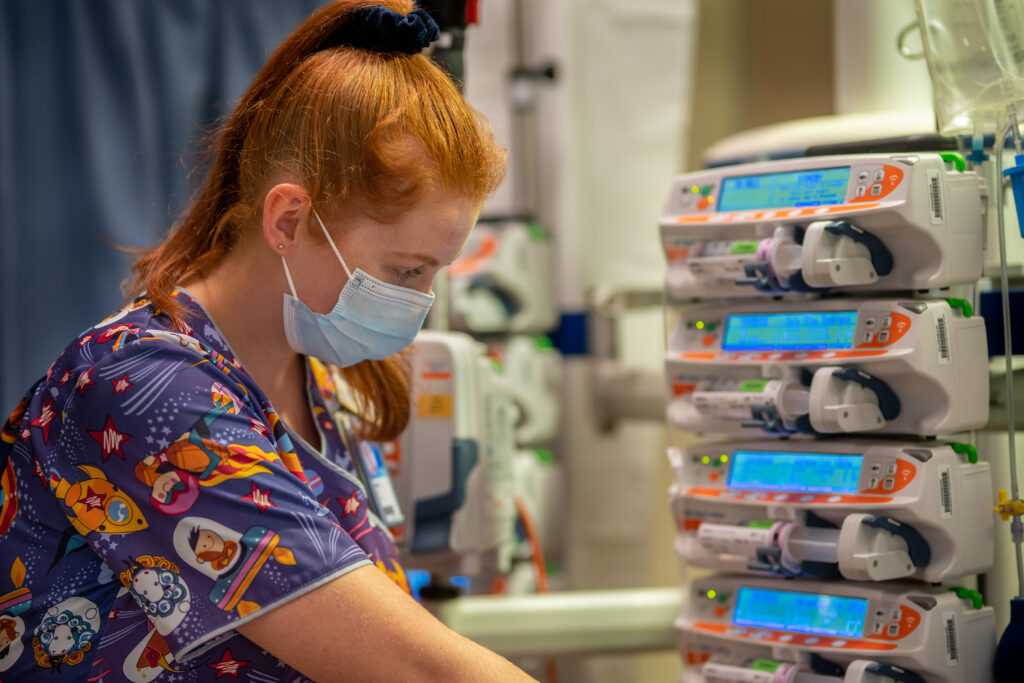
Hayley: Within nursing there is definitely a notable gender difference, as it is largely a female dominated industry. This seems to be due to women traditionally holding the more care giving roles within society. It can be tricky to point out any specific gender bias within the industry but perhaps there is a degree of social bias taking place. Although it appears, as a society, we long for a more progressive community, we must think… ‘do people consider it more socially acceptable to be a nurse as a female?’

Hayley Nisbet, Registered Nurse

Jemma: I feel privileged not to have seen or been subject to gender bias in my workplace. In my current and previous roles, there has been strong female representation in leadership which has been both reassuring and aspirational for a young female starting out in their career. I have however, continued to notice a pattern that female employees often take on more administrative roles (in addition to their core duties) such as organising staff morning teas and taking on roles in social groups and committees.

What do you think are some effective ways of counteracting gender stereotypes within the workplace?

Jane: An effective way of counteracting gender stereotypes within the workplace is disregarding gender entirely from the conversation when selecting the appropriate candidates for tasks. Educating yourself and others by learning about gender stereotypes and how they affect the workplace will also help reduce bias.

Ella: Try to avoid verbalising assumptions you might have about someone. Instead you can ask questions and listen. Having chats with other women in your industry about their experiences with gender stereotypes. For me, the wonderful community that is Panimation has been great for this. It’s an online, and in person, community for women, trans and non-binary people who are in the animation/motion design industry.

Hayley: I believe an effective way in which we could go towards counteracting the gender stereotype seen within nursing would be to portray women in nursing as knowledgeable individuals whose nursing responsibilities expand vastly beyond the simple patient cares. There is far more to the role than bed washes. Providing insight into the side of nursing where these women are responsible for making critical decisions, whilst performing life-saving treatment under difficult circumstances, highlights the complexity of the role and the exceptional depth of knowledge required to maintain the safety of our vulnerable patients. 

Jemma: Continuing to bring awareness to the issues that exist and ensuring that training and resources are available to counter bias (including unconscious bias) is important. Women championing other women is also a positive way to empower women in the workplace.

Jemma Jackson, Policy Advisor

As someone just starting out, what changes would you like to see to increase equality for women over the course of your career?

Nancy: I would love to see workplaces addressing and putting unconscious bias in the spotlight so that more people are aware of the problem. 

Jane: Changes that would increase equality for women can begin with recognising areas in the workplace where women don’t have as much of a presence or are not utilised and initiating conversations around improvements for these areas.

Ella: Equal pay. In 2022, US women on average earned about 82 cents for every dollar a man earned. In 2002, it was 80 cents–how have we not seen much change in 20 years? Men in positions of power recognizing talented women, and supporting them into more leadership roles. That way when the next Ella comes along, her set of mentors are more diverse.

Hayley: One way in which I would like to see some positive change to increase equality for women would be to see a rise in pay comparative to male led industries. This is a very topical discussion point at the moment within the nursing realm of healthcare. Furthermore, I would love to see additional monetary compensation for having completed various levels of post graduate study. I believe this additional increase in pay would provide greater incentive for ongoing post graduate study. This would present more opportunities for females to progress throughout their career and occupy senior roles and responsibilities.

Which female leaders or people do you look up to? Why does this person/people inspire you?

Jane: Two female leaders that I will always admire are my two grandmothers. My grandmothers are incredibly hardworking, and their work ethic has always been a source of inspiration for me to work hard as well. Their early morning starts, endless days in the plantation fields, and late nights in the kitchen were the reasons why our family was able to build a wonderful life when we migrated to New Zealand. They personify resilience, strength, and selflessness. I am constantly inspired by the way they never fail to support others before themselves. 

Nancy: Tiana Epati, an Auckland Girls Grammar Alumni student who is now a senior litigation lawyer, inspires me. After seeing her speak at school, I saw the stereotypes she was challenged with. Being Polynesian, a judge once thought she was in the courtroom to face charges; however, she was the lawyer. I respect her commitment, morals and her embodiment of a strong wahine. I also look up to the women from my mum’s side, including my mum, who strongly believes in education and schooling — sacrificing family and homeland for my siblings and me to access a better future and way of living. I now see the privilege gifted to me, seeing many Pacific Islanders who do not get this opportunity. I admire my mum and the females in

Ella Dobson, Associate Creative Director
(Photo credit Matthew Kirk)

her family who see education as a way to have a voice, make a change and be better for our people.

Ella: I mentioned earlier about not having female mentors when I started out, but I’m thankful I now have an array! One is my friend and former colleague, Director, Natalie Labarre. She’s a great listener, communicator, and of course has a bucket load of talent. Her supportive energy always lifts people up around her. She’s a unicorn! I also can’t not mention my mum, Jude Dobson. She’s had her fair share of obstacles throughout her career, but always ploughed ahead and fought for what she believes is important, often telling untold stories. She gives so much to others. Once she’s got an idea you can’t stop her. She too is a unicorn!

Hayley: I am fortunate to be surrounded by such amazing women that have positively impacted my life and contributed to me being the person I am today. To highlight one specific person who inspires me is a nurse who cared for me when I was under the Starship service many years ago. She made me feel as though I was capable of anything. Her never-ending support during my recovery gave me strength and motivation, inspiring me to make her proud and myself proud too. To this day she inspires me to be the best nurse I can be for the patients and families under my care. I often think to myself, if my patients feel even half as good as my nurse made me feel, I consider that a great achievement.

Jemma: Regardless of your political affiliation, I think New Zealand’s former Prime Minister Jacinda Ardern has been a role model to many young women (especially those in politics!) by demonstrating that it is possible to have a family and hold one of the most important jobs in the country. She has broken down barriers of what is normal (or even acceptable) for women in the workplace and in roles of leadership with regard to gender, age and marital status.

Filed Under: Businesses going global

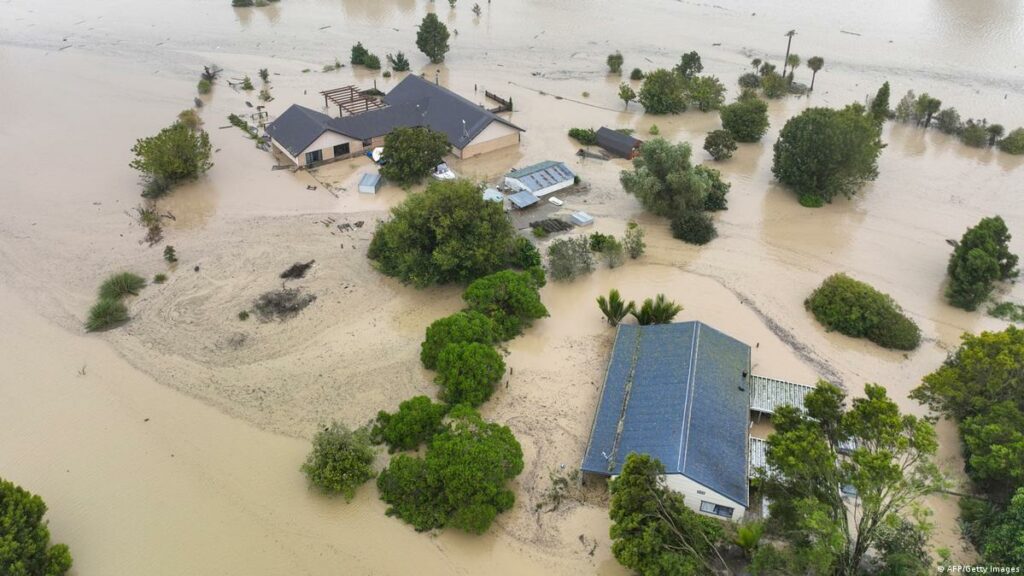
Cyclone Gabrielle hit Hawkes Bay on a Monday, with heavy rain soaking much of the area. However it was late Monday night into the early hours of Tuesday morning when things got really bad. 

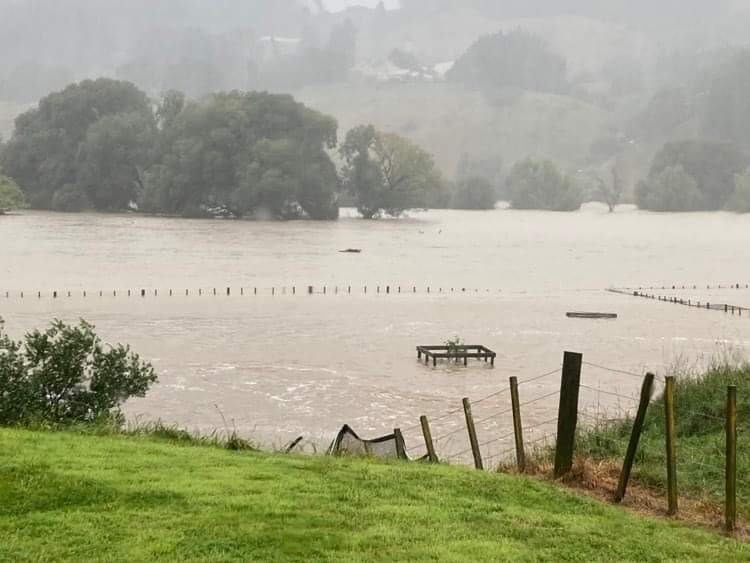
“I woke up to the noise, the noise was absolutely insane. I thought it was just the rain, but it was the sound of a newly formed waterfall behind my house that had once been my neighbours paddock. A culvert had been blocked further up and the water was flying over the top of that and pouring down my neighbours paddock. My phone was blowing up with messages from my partner who was working in Spain at the time  and had seen the news on the internet. I still had power so I was on facetime with him opening the curtains and realising that I was completely surrounded by water. 

The view from Jess’ window shows a lake where paddocks and a road should be

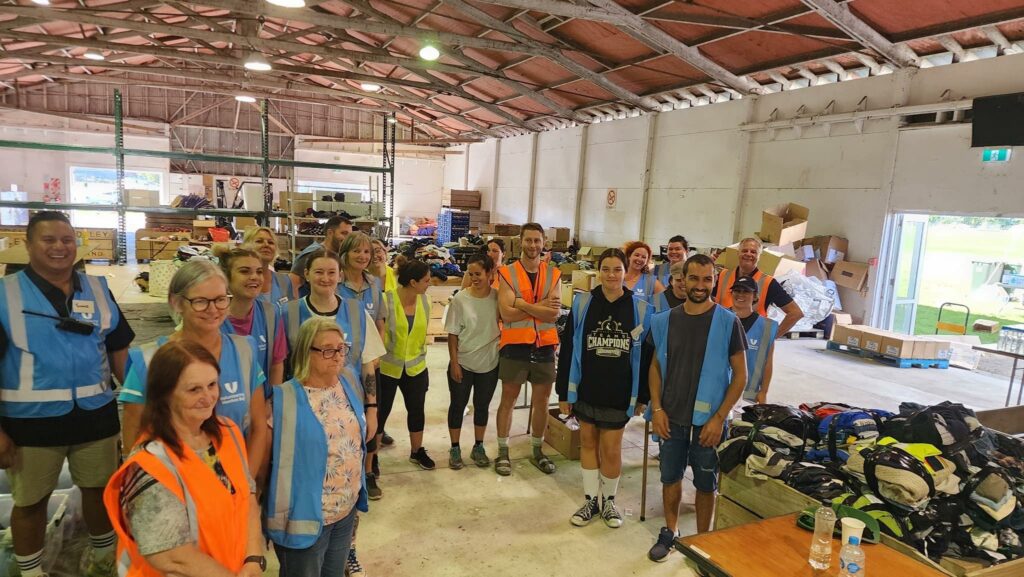
Jess’ neighbours had just waded through knee deep water to check on her when the power and phone lines went down. She was lucky enough to have food and water and sat tight in her house until the waters receded enough for her to get out almost two days later. With her home safe Jess joined up with her friend Lizzie who asked if she wanted to come around and just start baking. Thursday and Friday Jess and Lizzie made huge pots of mince, hundreds of muffins, and dozens of loaves of bread and cakes all of which they dropped off to a local marae where people were sheltering. 

On Friday they signed up with Volunteering Hawkes Bay and joined others from the community at Tomoana, Hawkes Bay Showground where the Army had set up a crisis and distribution centre. From that point on they became part of a team of hundreds working in shifts around the clock to support those affected by the disaster. They sorted food, clothing and linen and filled apple crates with packs of these which were flown via helicopter into affected areas. 

Despite throwing her all into helping out Jess says it took a while for those who lived in the community, but were not badly affected, to be able to feel grateful instead of guilty. 

“It was just so overwhelming, everywhere you looked people’s lives had been destroyed, their businesses had gone and in the worst cases they had lost someone they loved. It was hard not to feel guilty that you had escaped the worst of it. But once we saw how everyone had come together including those who had lost everything we were able to process the enormity of it and work out how and who we could help.”

Working out how they could help was an important way for some community members to process what had happened.

The Showground became New Zealand’s largest crisis response and distribution centre to date as Civil Defence teams and Government agencies drew on the learnings from disasters like the Chirstchurch Earthquakes. The co-ordinated relief effort and the way that Kiwi came together is something Jess says she will always remember.

“I returned to New Zealand because, by the end of my time overseas, the places I was drawn to and the people I was drawn to were those who reminded me of home. Over the past few weeks, seeing how Kiwi have come together and witnessing the huge outpouring of love, support and kindness has reiterated to me what a special place New Zealand is and I am so grateful to be part of this community and to be here and be able to help out.”

“The way the community and the country came together was incredibly overwhelming. The feeling in Hawkes Bay is still really heavy, everyone has either been badly affected or knows someone who has, but that hasn’t stopped people coming together. If people own a shovel they have been out digging, dropping flyers, they took time off work to volunteer. Then outside of the community the speed at which Kiwis donated money was staggering. I’m really grateful to live in a country where people pull together like this.”

The rebuild in Hawkes Bay and neighbouring Gisborne will take several years

So many items were donated that in the end authorities had to stop asking people to send supplies as they had all they needed. Extra donations have been packed into shipping containers which will be kept at key ports around the country ready to go for the next crisis in New Zealand or our neighbouring islands.

“It’s incredible to think that we live in a country where we have to ask for donations to stop. That says extraordinary things about the unbelievable generosity of New Zealadners, it says something about what a special place Aotearoa really is.”

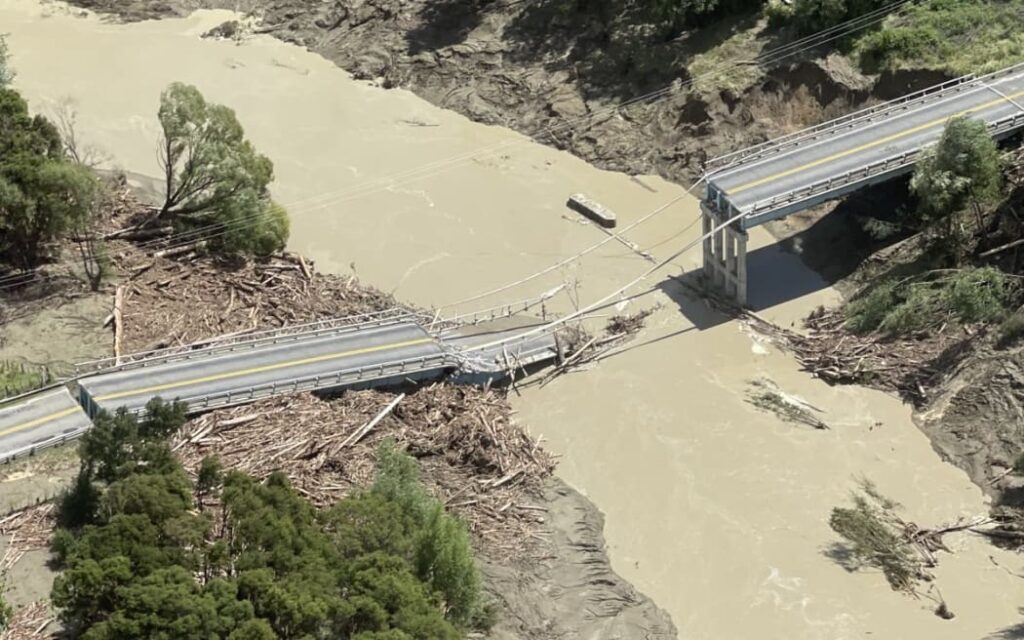
While the water levels may have dropped some Hawkes Bay communities still remain completely cut off while others are running on generators. In some areas children are being picked up by boat each day to make sure they can get to school. Many people have had to strip all the gib off their homes and leave it for six months to see if it will dry out or if it’s contaminated and has to be torn down. The clean up job in Hawkes Bay is far from over, but Jess says she’s optimistic about what lies ahead for her hometown.

Some East Coast areas still remain cut off several weeks after the cyclone.

“It will be a long road ahead and people are really suffering, especially in our agricultural, horticulture and viticulture industries. Hawkes Bay is often called the fruit bowl of New Zealand and it will take a long time for many of these businesses to recover. These people need all the help they can get to rebuild their lives, homes and businesses. I would encourage people to buy Hawkes Bay wine, and to donate if they can, to the organisations that are supporting the rebuild efforts. It’s going to be a long road but I know Hawkes Bay will recover from this. 

Government and Civil Defence agencies have suggested the best way for people to help is to give through official channels. If you would like to donate here are some helpful links. 

Hawkes Bay Winegrowers Association Cyclone relief fund

Red Cross New Zealand Disaster Fund

Cyclone Gabrielle – Mayoral Relief Funds 

Filed Under: Businesses going global

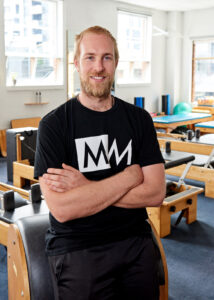
What’s your name, and where do you live? Campbell Pritchard, San Francisco

Campbell Pritchard

How long have you lived offshore? 5 years.

What do you love most about San Francisco? I find the serendipity in this city incredible. You just end up meeting incredible people that are very good at their craft. I also love the proximity to nature and being in a world renowned city that a lot of people visit for tech. It gives a bit of credibility just being here.

If someone was coming to visit the area, what are two places you would recommend them to visit and why? I’d say get outdoors and drive south down the Californian coast and through Silicon Valley, it’s beautiful and historic. I’d also recommend the Lands End hike, you get an amazing view of the Golden Gate bridge and coastline.  

What’s the best thing about being a Kiwi offshore? I think people respect Kiwi and we are well liked, so locals are always willing to connect and help. There’s also this huge advantage you have by connecting with other Kiwi that can help you.

What do you miss the most about New Zealand? It’s super peaceful, and the lifestyle is pretty great. I love the restaurants and the going out vibe. It’s actually really unique.

What do you think will be the significant issues or events which will command attention this year? I think the market is tough, there’s just not as much money around so it’s going to be about making great decisions with little resources because we likely all have less time and money. That’s something I’ve been reflecting on.

Finish this sentence “In 2023; the world needs more…..Connection. There’s so much happening in our lives and technology is moving so fast that we need to be careful we make time for the things that make us fulfilled.

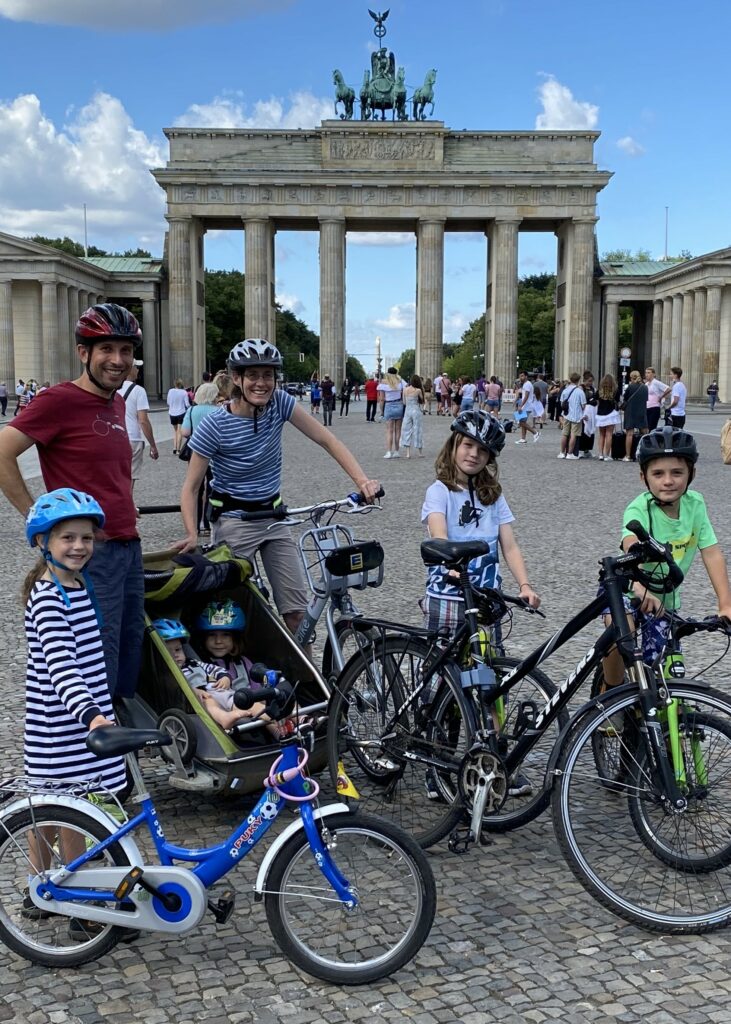
Ruth with her family in Berlin

What’s your name, and where are you living? Ruth Keeling Sobótka and I live in Berlin, Germany.

How long have you lived offshore? I left New Zealand in the year 2000, and have lived in Switzerland, Belgium, the United Kingdom, the United States (California) and Germany since then.

What do you love most about Berlin? We live right in the heart of a bustling, dirty European metropolis, with fascinating history, great restaurants, lots of cultural activities and a vibrant café-life, and yet we can still be swimming off our boat on the vast Wannsee lake in the Grünewald forest within a half hour of leaving home. Berlin is full of surprising contrasts and quirky personalities.

If someone was coming to visit the area, what are two places you would recommend them to visit and why? Eating smoked eel with schnapps in Bad Zwischenahn, and drinking Glühwein at the Christmas Markets anywhere in Germany.

What’s the best thing about being a Kiwi offshore? No one can pick your accent if you speak a language other than English. This frees you to connect with people directly and personally when you first meet them, without tripping over a lot of assumptions and prejudices about who you are as an individual.

What do you miss the most about New Zealand? The smell of autumn in Wanaka.

What do you think will be the significant issues or events which will command attention this year? From our family’s perspective, the war directly on Poland’s border in the Ukraine and the recovery of the German school system after Covid are the key issues being discussed daily around the kitchen table.

Finish this sentence “In 2023; the world needs more…..Kindness, courage, community, joined-up thinking – and more-affordable connecting flights to New Zealand!

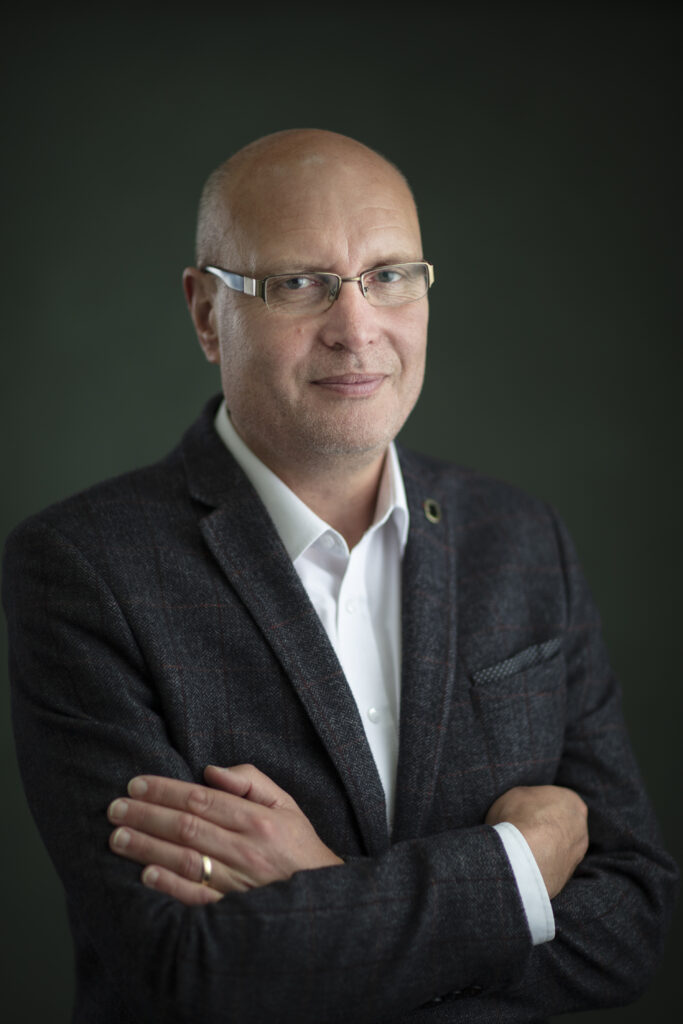
Rob Carruthers

What’s your name and where are you living right now? Rob Carruthers, Melbourne

How long have you lived offshore? About 11 years

What do you love most about Melbourne? It’s got a great food and culture scene, and we have a business that we have been running for 6 years now which keeps us here. It’s allowed us to develop a strong sense of community in the area which would be hard/sad to leave. 

If someone was coming to visit the area what are two places you would recommend them visiting and why? For one evening, you’d start with a drink at Garden State bar, then dinner at Chin Chin, and finish with a cocktail at LongSong – all around the Melbourne CBD and Flinders lane; and then for a more nature based excursion, head out to the Surf Coast and Great Ocean Road to see what Victoria offers. 

What’s the best thing about being a Kiwi offshore? There’s a certain recognition of having the capacity and determination to get things done, and then also a willingness to try new things. 

What do you miss the most about New Zealand? I do love and miss that access to nature that is on offer. Mountains to lakes, beautiful beaches… it’s always hard to walk away from!

What do you think will be the big issues or events which will command attention this year? As a business owner, we’re very aware of the impact cost of living is having – firstly on the impact of our regular clients, and therefore flowing on to our staff and to us. Compounding this is the overarching issue of an unsustainable impact on the environment, and governments of all levels spending money they don’t have… it’s not a great outlook, have to keep a positive mindset and search for the good news, as it can be a bit bleak at times!

Finish this sentence “In 2023 the world needs more….. Compassion and less greed. Businesses need to be profitable, but not to the extent of nature and humanity. Governments need to be thinking beyond their parties stint to what future generations will have to deal with, more bipartisan action for the good of all people, not just their donors. 

Samuel Chote

What’s your name, and where are you living right now? Samuel Chote, London 

How long have you lived offshore? 10 Years Even! Time has flown

What do you love most about London? London is full of magic all year round, you can do as much or as little as you want to and there is no chance of running out of options. Outside of London, the rest of the UK is stunning, a never ending list of places to visit, 60 million people in a space smaller in NZ means there is so much to discover. The European summer for me still tops the charts, you just need to ignore a few of the Kiwi summer photos for a few weeks each year.

If someone was coming to visit the area, what are two places you would recommend them to visit and why? Kiwi’s are still running the game over here with some of the best cafe’s and restaurants in the big smoke, breakfast at Ozone is always tops and dinner at The Laundry in Brixton are great and for a weekend trip, walking the beach with a flattie and the dog or having a surf at Polzeath in North Cornwall is an annual trip for me. Really reminds me of home! 

What’s the best thing about being a Kiwi offshore? Community – the support Kiwis, especially through KEA, give each other is unparalleled. There is something about paying it forward and giving another kiwi your time that is really unique. It always comes back around. The NZ community in the UK is a key reason we continually punch above our weight! 

What do you miss the most about New Zealand? It would be great to be a little closer to my wider family and a proper beach but now we can travel again. I hope to get my NZ fix a little more often.  

What do you think will be the significant issues or events which will command attention this year? Care for your family at home and your people at work. We have a tough start to the year looking at what is happening in the world but we can already see the green shoots of recovery for later in 2023. We need to keep this in mind and support each other, try to be patient, stay the course and come out even stronger. 

Finish this sentence, In 2023; the world needs more…..Kindness and Empathy – looking at some of the mess going on in the world it’s easy to just start looking after yourself but more than ever the adage “it takes a village” rings true. I would normally say “be kind and look after yourself” but at the moment checking in on anyone in your sphere and giving your time to people will have a huge impact. 

Filed Under: Businesses going global

  • « Go to Previous Page
  • Go to page 1
  • Interim pages omitted …
  • Go to page 10
  • Go to page 11
  • Go to page 12
  • Go to page 13
  • Go to page 14
  • Interim pages omitted …
  • Go to page 43
  • Go to Next Page »

Our Partners

ASB Logo

Kea nurtures a vibrant and diverse community who share a strong passion for New Zealand and the success of its people and businesses

  • Home
  • Kea for business
  • Kea for you
  • Jobs
  • Events
  • News & Resources
  • World Class New Zealand
  • About
  • Contact Us
  • Terms & Conditions
  • Privacy Policy
JOIN MY KEA

© 2026 Kea New Zealand